Good food. Practical skills. A fresh start.
A working farm.
A new beginning.
We're reopening Heart of Gold Organics to grow food and create a practical path into farming and culinary work for people who need a fresh start—including people with felony records and people in recovery.
Mike & Vanessa Torres · Property and farm infrastructure already in place in Dale, Texas. The learning program and transitional housing are planned.

Already in place
A property. Infrastructure. Experience.
We have existing property and farm infrastructure in Dale, and are pursuing another property purchase to support the reopening. Gold Epicure and Duett’s are established operating businesses, alongside our prior farming and food-access experience.
The request
$150,000 for the reopening.
Loan or investment capital for the completion stage. The remaining-work scope, costed budget and exact funded milestone are being developed.
Developed in phases
A phased path forward.
A staffed learning pilot and transitional housing are planned, each with its own leadership, budget and readiness decision.
The mission at the center
A practical path.
A place to begin.
We want Heart of Gold to become an entry point into farming and culinary work for people rebuilding their lives. The proposed program combines useful skills, mentorship and supervised experience in real food settings.
01 · Learn on the farm
Build useful growing skills.
Introduce participants to crop care, aquaponics, harvesting and careful food handling through planned instruction and supervised experience.
02 · Connect with the kitchen
See where the harvest goes.
Develop appropriate food-preparation and hospitality experience through Gold Epicure and selected Duett’s operations, with learning settings suited to each participant.
03 · Take a next step
Grow experience and confidence.
Help people build practical skills, steady routines and work readiness as they consider their next step in farming, culinary work or hospitality.
The program will need qualified leadership, supervision and participant support. We plan farm and culinary options for people who need to avoid alcohol-centered settings, with clear work and learning arrangements. The operating model will include required staffing costs without relying on unpaid participant labor.
Transitional housing · Planned
A stable place
to get started.
We also plan transitional housing on the property so participating residents could have a stable place to stay while building practical skills. Housing preparation and program readiness will shape the rollout.
Housing will have a separate scope, operating budget, leadership and resident arrangements. Readiness and applicable approvals will be assessed before anyone moves in.

The people behind the plan
Farm experience.
Food experience.
A shared purpose.
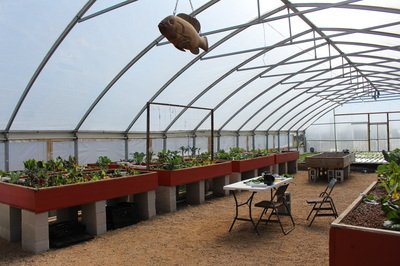
We’re Mike and Vanessa Torres. At the original Heart of Gold in Dale, we built and operated an aquaponics greenhouse, grew fresh produce, and worked with a food bank to help it reach more people.
Today, Mike leads Gold Epicure’s menus and live-fire cooking. We own and operate Duett’s Texas Club in Martindale, and Vanessa brings photography and hospitality experience. Our hospitality team has also supervised an Escoffier culinary extern at Duett’s.
Our experience spans farming, food access and hospitality. The residential learning program is a new undertaking that will require additional qualified leadership and support.
Why reopen now
We have farm infrastructure in Dale and operate two food businesses. We are pursuing the purchase of 150 Azalea Ct to support Heart of Gold’s next chapter. Reopening now brings those foundations together: plan crops around existing kitchen needs, then build the learning program in funded stages.
Mike & Vanessa
The proposed operating model
Grow the food.
Build the skills.
Share the extra.
The farm would supply selected produce to Gold Epicure and Duett’s, support practical learning, and send harvests beyond our kitchens’ needs to the community.
Start with the menus.
Plan crops with the kitchens, beginning with leafy greens and herbs suited to the system and the meals we already serve.
Make the work a classroom.
Complete and test the growing system, track yields and costs, and develop supervised learning around the work of a functioning farm.
Feed more than our tables.
Supply selected produce for Gold Epicure and Duett’s. Any harvest beyond their needs will go to the community.
Keep the model accountable.
Track farm sales, full growing and delivery costs, and kitchen use. Test the results before adding crops, learners or housing capacity.
The catering kitchen
Gold Epicure
Salads, seasonal vegetables and event menus offer destinations for selected farm produce, while the catering operation offers a real setting around which to develop culinary mentorship and work exposure.
Explore Gold Epicure ↗The gathering place
Duett’s Texas Club
Steak nights, client tastings and private events would bring farm produce to the table in Martindale, connecting the farm with hospitality, food service and the people who gather there.
Explore Duett’s ↗Make the economics visible
One group.
Clear accounts.
Gold Epicure and Duett’s are businesses we own and operate. We plan separate farm accounts and a combined view that does not count payments between our businesses as new outside revenue. We’ll compare the full cost of growing and delivery with comparable outside produce purchases to test any savings. Training and housing will have separate budgets and funding plans.
Farm produce would supplement existing purchasing. Kitchen quantities, pricing and crop choices will be planned together, then checked against actual harvests and use.
Food access remains part of the mission
The extra belongs
to our community.
Produce beyond what Gold Epicure and Duett’s need will go to the community. Kitchen purchases would help sustain the farm, while surplus harvests would put fresh food on more tables.
This carries forward a purpose rooted in our original operation. Heart of Gold partnered with the Capital Area Food Bank through the Farm Fresh Accessibility Project; its announcement described the farm contributing its entire harvest.
We plan to establish a collection or delivery arrangement, assign handling responsibilities and budget distribution costs. We would record pounds shared and how the food reaches people. The distribution method and recipients are still being developed.


Historical photographs: Mike Torres · The Austinot
A staged plan
Open in stages.
Prove each one.
Each part of the mission has its own readiness needs. Farm operations, training and housing will move forward as their people, funding and setup are ready.
01 · Commission the farm
Make the system work.
Complete the agreed work, test the growing system, and establish harvest, handling and delivery routines.
02 · Validate production
Learn from real harvests.
Record marketable yields, losses, costs, kitchen purchases and surplus distribution before expanding.
03 · Staff a learning pilot
Prepare before welcoming people.
Define the curriculum, qualified lead, supervision, support and participation arrangements for an initial program.
04 · Establish housing readiness
Build a supported place to stay.
Set the housing scope, operating budget, staffing and resident arrangements, with applicable approvals before occupancy.
The proposed scorecard
Track harvest quality and cost per unit, kitchen purchases, pounds shared, learning attendance, demonstrated skills and completion. Record verified next-step opportunities as the program develops, and report results in a way that protects participant privacy.
The public funding brief
$150,000
Help finish the farm.
Help start the program.
We’re seeking $150,000 in loan or investment capital for the farm reopening. We are developing the completion scope and costed budget around this request, including the exact milestone it would fund.
The property and farm infrastructure are already in place. The categories below describe intended uses, with no final dollar allocations yet. Training and housing will each need a separate budget and launch decision.
Finish the remaining farm work
Complete the equipment and infrastructure work identified in the final scope, with costs supported by quotes.
Commission the first growing cycle
Test the system, establish initial crops, and put handling and delivery routines in place.
Provide an operating runway
Budget required labor, supplies, utilities and working capital, including surplus distribution.
Define the next program phase
Scope staffing, learning and housing-readiness work that the funded plan can support; identify what needs later funding.
A lender conversation.
Discuss the proposed borrower, completion scope, cash-flow evidence and a potential repayment structure.
Discuss a loan ↗An investor conversation.
Discuss the proposed entity, investment structure, mission expectations and the evidence needed to evaluate the project.
Discuss an investment ↗The capital recipient, financing structure and repayment or investment terms are not finalized. These conversations will help shape a specific proposal supported by the completion budget and financial evidence.
Relationships we plan to build on
More experience
around the table.
We plan to reconnect with WWOOF and Escoffier as the new program develops. Their roles would be discussed and confirmed; neither is a confirmed partner in this reopening.
Past experience · Future conversation
WWOOF
We have worked with WWOOF before and would like to reconnect around organic-farming learning and exchange. Any WWOOF exchange would be developed separately from the proposed transitional housing and participant program.
A documented culinary connection
Escoffier
The original Heart of Gold was named among Escoffier’s Farm To Table partners providing ingredients for student culinary competitions. We hope to explore a new connection around farming and culinary learning.
We also welcome conversations with experienced growers, chefs, educators and community organizations interested in helping shape the program.
Let’s build the next chapter
A farm to finish.
A mission to
carry forward.
Bring practical farming and culinary opportunities closer to people who need a fresh start. We’re seeking $150,000 for the reopening and welcome conversations about capital, qualified program leadership and useful expertise.
hello@gold-epicure.comFor equipment, farming or culinary expertise, mentorship and program partnerships, start a conversation with us.
What is already in place?
We have existing property and farm infrastructure in Dale, and are pursuing another property purchase to support the reopening. Gold Epicure and Duett’s are established operating businesses, and our experience includes farming, food access and hospitality.
Is the program or housing open?
Both are planned. A staffed learning pilot and housing each require their own budget, leadership and readiness work. This page invites funding and partnership conversations; it is not a participant application.
Who is the mission for?
People seeking a fresh start and an entry point into farming or culinary work, including people with felony records and people in recovery. The program’s specific structure and participation arrangements are still being developed.
Reporting from the original farm
A real farm.
A documented story.
A few records show the foundation clearly: independent reporting, a food-bank announcement and a culinary ingredient-partner reference. They document the original farm, not an endorsement of the reopening.
Heart of Gold Farm Brings Healthy Food to the Hungry
Profile of Mike and Vanessa's aquaponics farm and Farm Fresh Accessibility Project. Includes Mike's interview about community food access and a replicable neighborhood greenhouse model. Four historical photos are credited to Mike Torres: greenhouse interior, the couple, kale, and lettuce rafts.
Independent feature and interview · Matthew Champion
A Fish Fueled Garden (podcast)
A reporter visited Mike and documented the aquaponics greenhouse, fish tank, growing beds and raft system. The feature covers the drought-driven origin, move from East Austin and proposed community-garden model, with a farm photograph and linked interview audio.
On-farm reporting and podcast interview · Cecilia
Socially-conscious farm provides living wage jobs to help us end hunger
The Food Bank announced its partnership with Heart of Gold Organics and named Mike and Vanessa Torres. It described the donation-based greenhouse model, living-wage jobs, the farm’s harvest going to the Food Bank, and the project’s original sponsors.
Institutional partnership announcement
High School Students Compete In Mystery Basket Challenge To Win Close To $20,000 In Scholarships
Names Heart of Gold Farm among the school's Farm To Table partners providing ingredients for a student culinary competition. Useful historical evidence of a culinary-education connection. Not a standalone farm feature.
Institutional press release mention
Explore 13 more press records
Mike Torres: From Filmmaker to Farmer
Profile traces Mike's shift from filmmaking to aquaponic farming after losing a backyard garden during Texas drought. Notes his pastry-chef mother and restaurant-owner father, then quotes his mission for sustainable food, water conservation, education, and community sharing. Includes a portrait of Mike.
Guest biography accompanying radio feature · Cecilia
Just Add Fish: Aquaponics
Mike and Vanessa share encouragement and practical lessons from their aquaponics journey. The feature introduces the family farm, greenhouse, and farm animals, with advice for people curious about growing food in a similar system.
Farm feature and aquaponics advice · Cecilia
Celebrating the Farm Fresh Accessibility Project
An original launch announcement tells the story of the farm and the Farm Fresh Accessibility Project, with quotes from Mike and Vanessa. It describes the family’s commitment to fresh food access and invited the community to visit the farm.
Published launch announcement / press-release-style feature · Ren
Farm Fresh Accessibility Project Launch Party
Do512 Family invited readers to the original farm for music, food, greenhouse tours and family activities celebrating the Food Bank partnership. The story documented the project’s launch party.
Local event feature · Heidi Okla
Weekend family-event roundup
Heart of Gold’s launch party appeared in a roundup of local family events. The listing highlighted the Food Bank partnership, greenhouse tours, music, hayrides and food trucks.
Weekend event roundup mention
Farming for our future
Mike discusses how drought inspired his move into aquaponics and the challenge of meeting buyer demand. This multimedia project also includes perspectives from another farmer and a university expert, photography by Christine Dickerson, and a short documentary.
Multimedia journalism feature · Selina Bonilla
High School Students Will Compete to Win Over $20,000 in Culinary Scholarships from Escoffier Austin
Named Heart of Gold Aquaponics Farm among Farm To Table partners providing fresh ingredients for a student culinary competition. Further evidence of the original farm’s connection to culinary education.
Institutional press release mention
Aquaponics: Drought and the Future of Food
This Texas Parks and Wildlife radio segment discusses aquaponics with a biologist and uses a herbs photograph credited to Heart of Gold Organics. It is an aquaponics story featuring a farm image, rather than an interview with Mike or Vanessa.
Radio transcript and farm photo credit · Cecilia Nasti
Camino Real Ranch — About Us / The Camino History
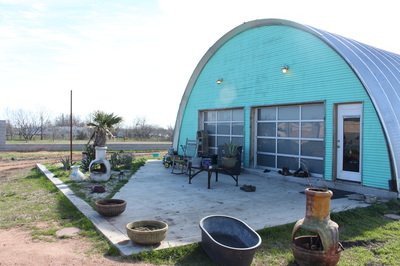
Names Mike and Vanessa as founders of Heart of Gold Farm and describes organic-produce donations to Central Texas food banks. Explains the greenhouse came from a Smithville rose farm and identifies the Quonset Hut and tipis. Page includes eight historical image links.
Successor-property history and photo archive
Print portfolio — Aquaponics: A Tell-All
Jorge Guerra's portfolio links to the multimedia feature Farming for our future and displays a greenhouse photograph credited to Christine Dickerson. The linked project brings together writing, photography, film, and infographics.
Portfolio pointer to multimedia feature · Jorge Guerra
Camino Real Ranch wedding venue — Dale, Texas
A later guide to Camino Real Ranch remembers its earlier life as Heart of Gold Farm, including the greenhouse, Quonset hut, and tipis. The article follows the property's story into its years as a wedding venue.
Later venue guide with historical mention
Camino Real Ranch venue listing
The venue listing recalls Mike and Vanessa's Heart of Gold Farm, its food-bank support, and the greenhouse, Quonset hut, and tipis that helped shape the property. It is a later account of the place the farm became.
Later venue listing with historical mention
Heart of Gold — Recent Press
The farm’s original press page brought together coverage from The Austinot, Edible Aria and Field & Feast. The preserved page offers a glimpse of how Heart of Gold shared its story during its first chapter.
Archived first-party press index
The complete record includes features, interviews, institutional announcements, event listings and later historical mentions. Read each brief here or visit the internal archive for source context. The Field & Feast article survives; its original audio has not been recovered.
In motion
Step inside the farm.
Original television coverage and films capture the greenhouse, the people and the work of the first Heart of Gold.
The farm on KXAN
A local television report on Heart of Gold and the Farm Fresh Accessibility Project.
Watch in our archive ↗Heart of Gold Aquaponics
The original farm film follows the harvest and the project connecting fresh food with the Capital Area Food Bank.
Watch in our archive ↗Aquaponics: a short documentary
A student documentary exploring aquaponics, with Heart of Gold among the farms featured. By Claire Bontempo, Selina Bonilla, Christine Dickerson, and Jorge Guerra.
Watch in our archive ↗A possible glimpse of the earliest days
This short clip was uploaded to the same account as the original Heart of Gold film. It appears to show an early aquaponics setup, but its title and description do not identify the location.
Possible early footage; the farm's identity has not been confirmed.
View the film record in our archive ↗Photographs from the original operation
A place with a heart.
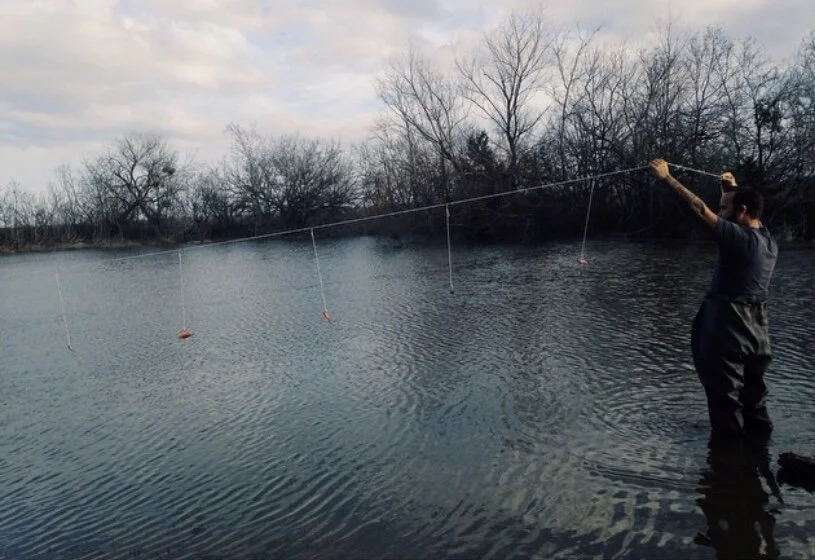
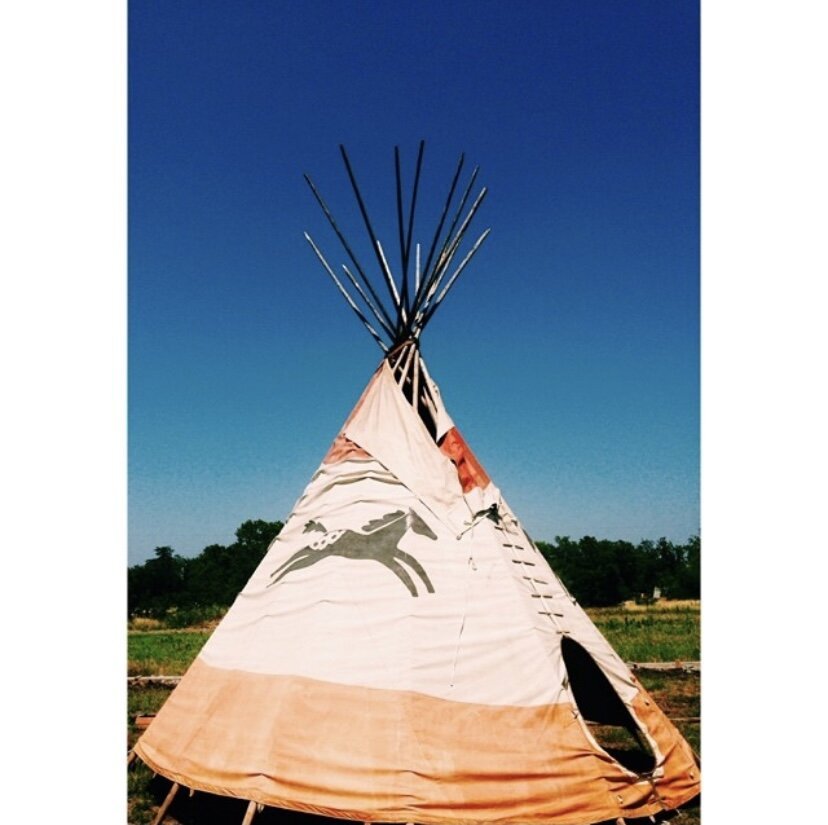
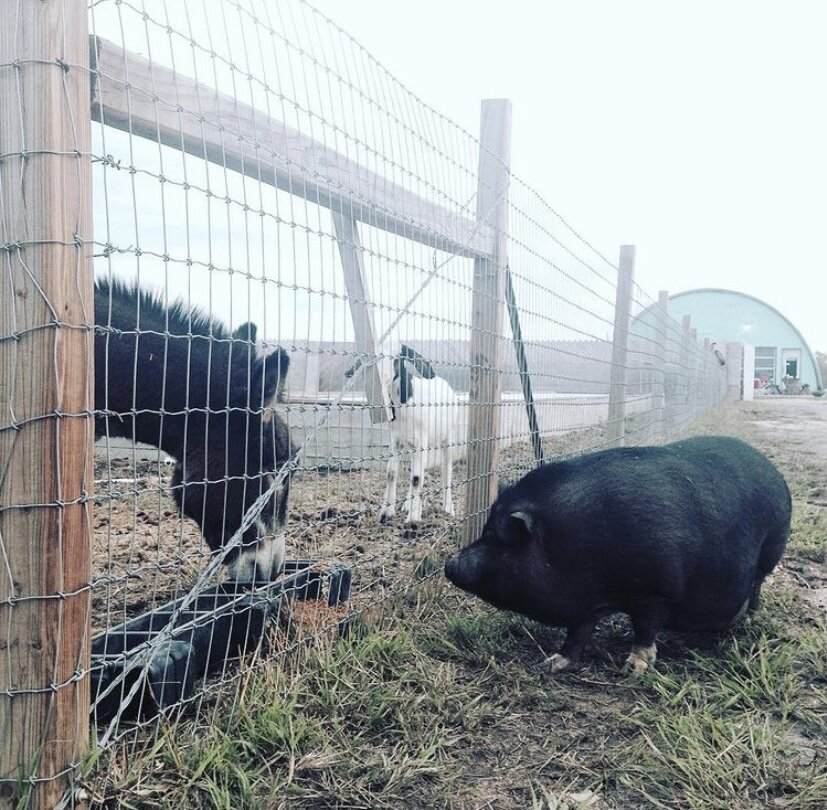
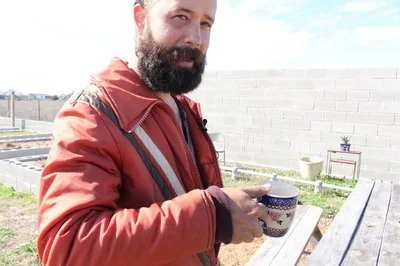
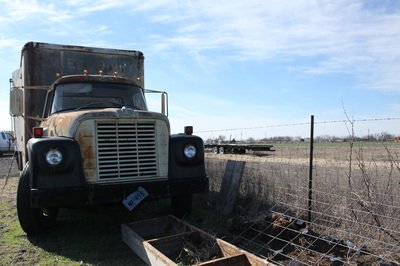
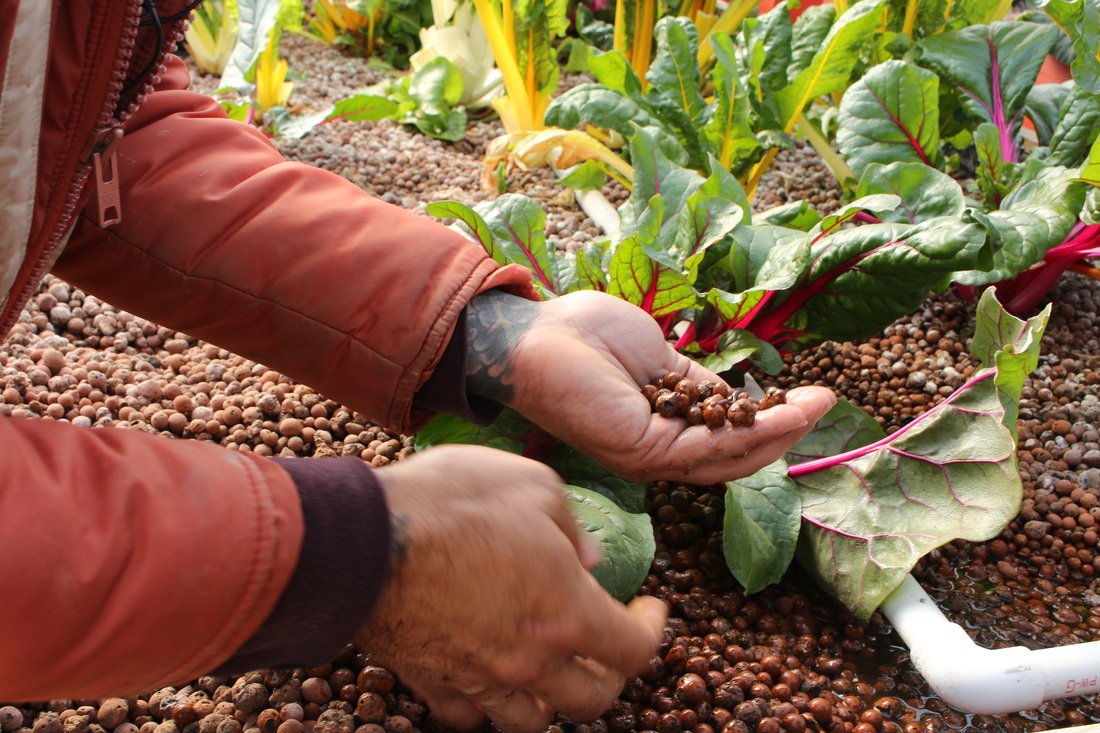
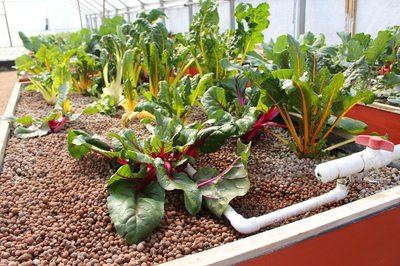
The original greenhouse, growing beds, family, farm life and launch materials. These historical photographs show what Heart of Gold was—and the experience behind our plan to bring it back.
Historical images are shown with their published credits or source collections. Both versions of the original launch-party poster are preserved.
Explore photographs from the original farm
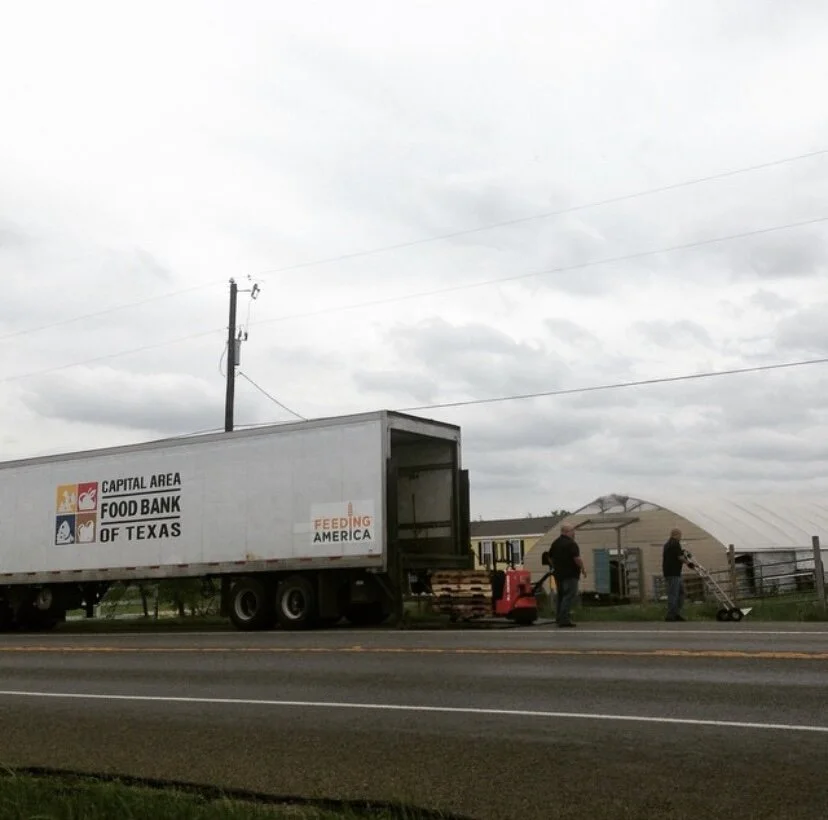

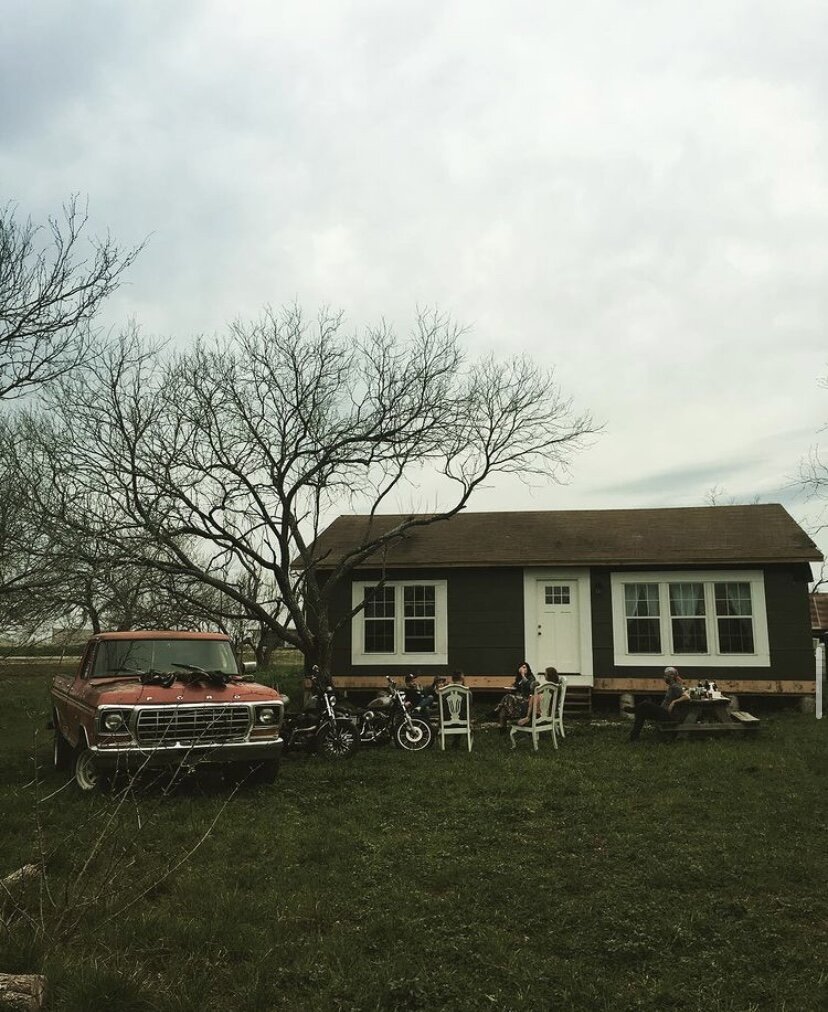
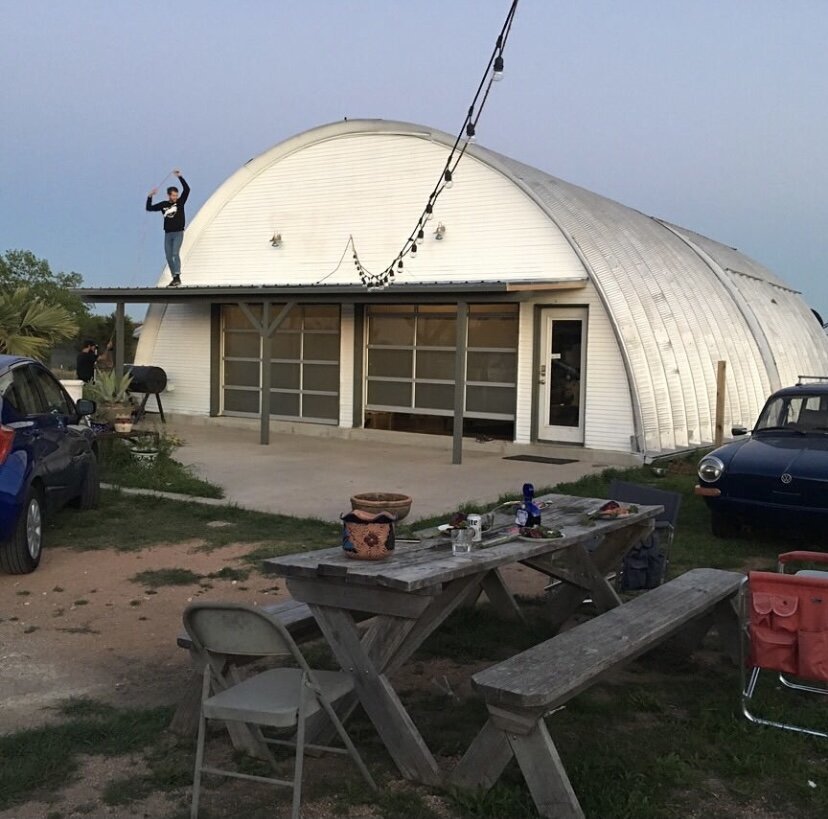
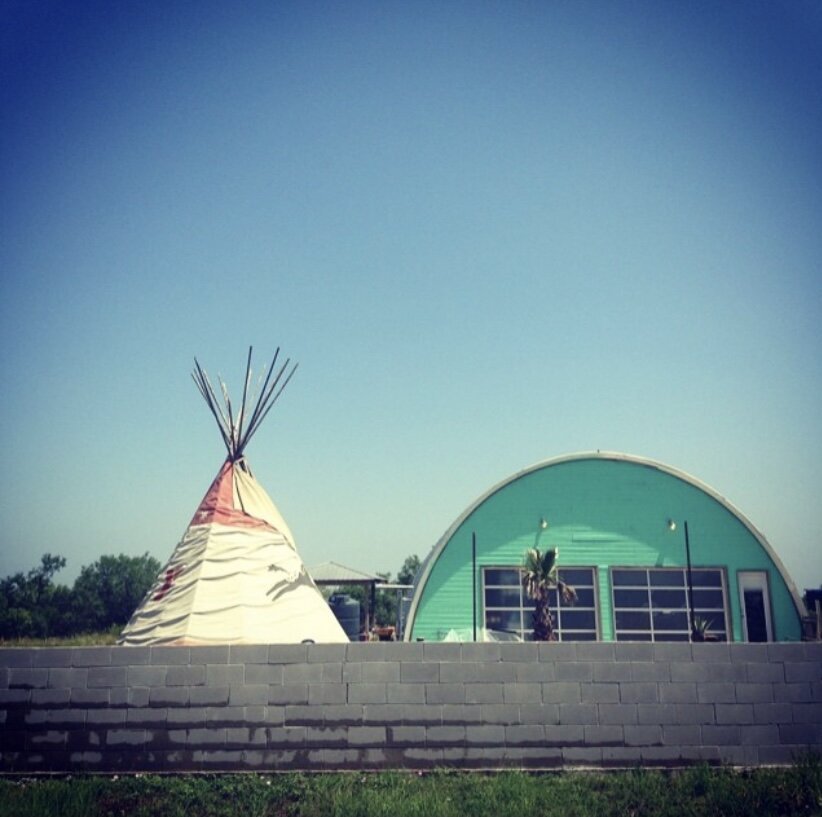


For the full background
Explore the
full archive.
Read the press briefs, browse preserved photographs, and explore films from the original farm—all in one place.
Good food. Practical skills. A fresh start.
Help finish Heart of Gold’s next chapter: a working farm, a phased learning and housing program, food for our kitchens, and surplus harvests for our community.